
শেষ আপডেট: মে ২০২৬ | ১৬ মিনিটের পড়া
সৌদি আরবে বিশ্বের সবচেয়ে সক্রিয় বিশেষ লাইসেন্স প্লেট বাজারগুলির একটি রয়েছে। অভ্যন্তরীণ মন্ত্রণালয় প্রতি সপ্তাহে আবশের ইলেকট্রনিক নিলামের মাধ্যমে শত শত প্লেট প্রকাশ করে, এবং KSAplate.com-এর মতো ব্যক্তিগত বাজারে প্রতি মাসে মিলিয়ন মিলিয়ন SAR হাত বদল হয়।
কিন্তু এখানে একটি সত্য রয়েছে যা বেশিরভাগ ক্রেতা মিস করে: সৌদি প্লেট শহর-নির্দিষ্ট নয়। রিয়াদে কেনা ৭ ABJ নম্বরের একটি প্লেট জেদ্দা, দাম্মাম, মক্কা বা NEOM-এ সমানভাবে বৈধ। শারীরিক প্লেটের কোনও আঞ্চলিক কোড নেই। তবুও, যিনি সৌদি প্লেট বাজারে সময় কাটিয়েছেন, তিনি জানেন যে আপনি কোথায় কিনছেন — এবং আপনি কাদের কাছ থেকে কিনছেন — এটি আপনার দেওয়া মূল্য এবং আপনি যে প্রত্যাবর্তন আশা করতে পারেন তার জন্য অত্যন্ত গুরুত্বপূর্ণ।
এই গাইডটি সৌদি আরবের তিনটি প্রধান প্লেট বাজারকে শহরের ভিত্তিতে বিশ্লেষণ করে, রিয়াদ, জেদ্দা এবং দাম্মামে যে সাংস্কৃতিক চালক, মূল্যগত গতিশীলতা, ক্রেতার মনস্তত্ত্ব এবং বিনিয়োগের কৌশলগুলি ভিন্নভাবে কাজ করে তা ব্যাখ্যা করে।
1. কেন শহরগুলি একটি জাতীয় বাজারে গুরুত্বপূর্ণ
সৌদি আরব একটি জাতি যেখানে wasta — সামাজিক অবস্থান এবং আপনি কাকে জানেন — ব্যবসায়িক চুক্তি থেকে বিয়ের সম্ভাবনা পর্যন্ত সবকিছু গঠন করে। লাইসেন্স প্লেটগুলি রাজ্যে অবস্থানের সবচেয়ে দৃশ্যমান সংকেতগুলির মধ্যে একটি। আপনার প্লেটটি সড়কে, ভ্যালেট লাইনে এবং সরকারি ভবনের বাইরে সকলের দ্বারা দেখা হয়। এ কারণেই প্লেট বাজার এত গভীর সাংস্কৃতিক এবং কেন সৌদি শহরগুলির মধ্যে সংস্কৃতি অর্থপূর্ণভাবে ভিন্ন।
তিনটি বৃহত্তম শহর — রিয়াদ, জেদ্দা, এবং দাম্মাম — কেবল ভৌগলিকভাবে আলাদা নয়। তারা সৌদি পরিচয়ের তিনটি ভিন্ন সংস্করণ উপস্থাপন করে:
- রিয়াদ রাজ্যের রাজনৈতিক এবং প্রশাসনিক হৃদয়। এটি সংস্কৃতিতে নেজদি — গভীরভাবে উপজাতীয়, রক্ষণশীল, এবং সর্বোচ্চ স্তরে অবস্থান সচেতন। সৌদি আরবের পুরনো অর্থ রিয়াদের মধ্য দিয়ে প্রবাহিত হয়।
- জেদ্দা বাণিজ্যিক বন্দর এবং সাংস্কৃতিক মিশ্রণ। এর হিজাজি সংস্কৃতি আরও আন্তর্জাতিক, আরও ব্যবসায়ী-কেন্দ্রিক, এবং বাইরের বিশ্বের প্রতি আরও উন্মুক্ত। জেদ্দা ঐতিহাসিকভাবে সৌদি আরবের সবচেয়ে বাণিজ্যিকভাবে উন্নত শহর।
- দাম্মাম এবং পূর্ব প্রদেশ তেল উৎপাদনের হৃদয়ভূমি। সৌদি আরামকোর উপস্থিতি একটি অনন্য অর্থনৈতিক সংস্কৃতি সৃষ্টি করেছে: উচ্চ বেতন, কর্পোরেট ব্যয়, এবং বাহরাইনের নিকটতা পূর্ব প্রদেশকে একটি স্বতন্ত্র তৃতীয় বাজারে পরিণত করেছে।
এই সাংস্কৃতিক পার্থক্যগুলি প্লেটের বিক্রয়, দাম এবং ক্রেতাদের মধ্যে পরিমাপযোগ্য পার্থক্য তৈরি করে।
2. রিয়াদ: প্রধান প্লেট বাজার
বিজ্ঞাপনের পরিমাণে রিয়াদ রাজ্যের বৃহত্তম প্লেট বাজার, আর আমাদের নিজস্ব তথ্য এটুকু সমর্থন করে: এখানে অন্য যেকোনো শহরের চেয়ে বেশি সক্রিয় বিজ্ঞাপন আছে। কিন্তু যা আমরা দিতে পারি না তা হলো জাতীয় লেনদেনে এর অংশ। সৌদি প্লেটের কোনো প্রকাশ্য লেনদেন নথি নেই — ব্যক্তিগত বিক্রি আবশেরের মাধ্যমে দাম ছাড়াই নিষ্পন্ন হয় — তাই «সব স্বতন্ত্র প্লেট লেনদেনের» যেকোনো শতাংশ একটি অনুমান, যা পরিমাপ হিসেবে উপস্থাপিত। এই অংশে আগে তেমন একটি শতাংশ ছিল; সেটি সরিয়ে দেওয়া হয়েছে।
2.1 রিয়াদে কে প্লেট কিনে
রিয়াদের ক্রেতাদের সংখ্যা সৌদি আরবে সবচেয়ে গভীর। এতে অন্তর্ভুক্ত:
- রাজকীয় পরিবারের সদস্য এবং উচ্চপদস্থ সরকারি কর্মকর্তা — যারা একক-সংখ্যার প্লেট এবং তাদের উপজাতির আদ্যক্ষর বহনকারী প্লেটের জন্য মূলত যেকোনো মূল্য দিতে প্রস্তুত
- প্রধান নাজদি উপজাতির সৌদি ব্যবসায়ী — যাদের জন্য একটি প্লেট যা একটি প্রখ্যাত উপজাতির আদ্যক্ষর প্রদর্শন করে, তা একটি মর্যাদা চিহ্ন এবং সাংস্কৃতিক পরিচয়ের চিহ্ন
- প্রাতিষ্ঠানিক বিনিয়োগকারী — পরিবার অফিসসহ যারা শীর্ষ স্তরের প্লেটগুলোকে বিকল্প সম্পদ হিসেবে বিবেচনা করে
- গাড়ির ডিলারশিপ এবং শোরুম অপারেটর — যারা প্রদর্শনী গাড়ির জন্য প্রিমিয়াম প্লেট কিনে
2.2 রিয়াদের ক্রেতাদের পছন্দ
রিয়াদের ক্রেতারা নিয়মিতভাবে নিলামে আধিপত্য বিস্তার করে:
- একক এবং দুই-সংখ্যার প্লেট — পুরো সৌদি বাজারের সবচেয়ে মূল্যবান সম্পদ। 2025 সালে একক-সংখ্যার প্লেটের জন্য SAR 21,000,000 রেকর্ড বিক্রয় একটি রিয়াদী ক্রেতার দ্বারা অর্জিত হয়েছিল।
- উপজাতীয় অক্ষরের সংমিশ্রণ — নির্দিষ্ট তিন-অক্ষরের সংমিশ্রণ যা প্রধান নাজদি উপজাতির নাম বানান বা সংক্ষেপ করে, তা তুলনামূলক অ-উপজাতীয় সংমিশ্রণের 2× থেকে 5× প্রিমিয়াম দাবি করে। অক্ষর أ (আলেফ) রিয়াদে বিশেষভাবে মর্যাদাপূর্ণ।
- রাষ্ট্রপতি এবং সরকারের সাথে সম্পর্কিত সংখ্যা — প্লেটগুলো যা তাত্ত্বিকভাবে VIP মোটরকেডের সাথে বিভ্রান্ত হতে পারে, তা অ-সরকারি প্রিমিয়াম বহন করে।
2.3 রিয়াদ মূল্য প্রিমিয়াম
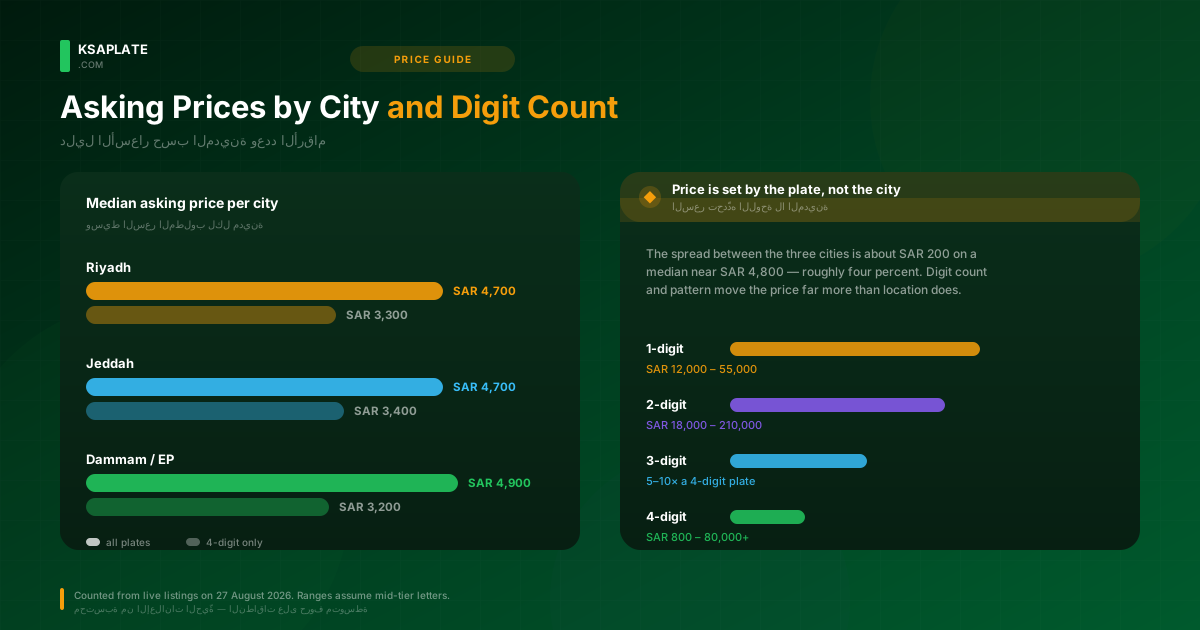
আমাদের বিজ্ঞাপনে চার-অঙ্কের প্লেটের মধ্যমা চাওয়া দাম: রিয়াদ SAR 3,300, জেদ্দা SAR 3,400, দাম্মাম SAR 3,200। কোনো গড়, প্রবৃদ্ধির হার বা শহরভিত্তিক প্রিমিয়াম দেওয়া যায় না: ব্যক্তিগত বিক্রি আবশেরের মাধ্যমে প্রকাশ্য দাম ছাড়াই নিষ্পন্ন হয়।
আমাদের সক্রিয় বিজ্ঞাপনে মধ্যমা চাওয়া দাম: চার-অঙ্কের প্লেটের জন্য রিয়াদ SAR 3,300, জেদ্দা SAR 3,400, দাম্মাম SAR 3,200। এখানে আগে থাকা «গড়» মাপা ছিল না: ব্যক্তিগত বিক্রি আবশেরের মাধ্যমে প্রকাশ্য দাম ছাড়াই নিষ্পন্ন হয়।
৩. জেদ্দা: একটি বৈশ্বিক চ্যালেঞ্জার
জেদ্দা সৌদি আরবের বাণিজ্যিক, আর্থিক, এবং সাংস্কৃতিক প্রবেশদ্বার। লাল সাগরের সরাসরি প্রবেশাধিকার, একটি আন্তর্জাতিক বন্দর, এবং কিং আবদুলআজিজ আন্তর্জাতিক বিমানবন্দর — অঞ্চলের অন্যতম ব্যস্ত কেন্দ্র — জেদ্দাকে রিয়াদের তুলনায় সবসময় বেশি বহির্মুখী করে রেখেছে।
৩.১ জেদ্দার অনন্য প্লেট সংস্কৃতি
জেদ্দার হিজাজি সংস্কৃতি নান্দনিকতা, বাণিজ্য, এবং বৈশ্বিকতার মূল্যায়ন করে এমনভাবে যা বিভিন্ন প্লেট পছন্দ তৈরি করে:
- প্যালিনড্রোম এবং আয়না প্লেট — প্রতিসম সংখ্যা জেদ্দার প্লেট সংস্কৃতির দৃশ্যমান অংশ। তবে প্রচলিত এই দাবি যে সেগুলি রিয়াদের চেয়ে বেশি দাম পায়, আমাদের তালিকায় উল্টো: জেদ্দায় তালিকাভুক্ত ১৩৬টি চার-সংখ্যার প্রতিসম প্লেটের মধ্যক চাহিদা-মূল্য SAR 4,750, আর রিয়াদের ১৯৮টির SAR 7,500। রুচি ও দাম এক জিনিস নয়।
- শুভ এবং আধ্যাত্মিকভাবে গুরুত্বপূর্ণ সংখ্যা — ৭৮৬ (বিসমিল্লাহ আর-রহমান আর-রহিমের সংখ্যা মান), ৭৭৭, এবং ৯৯ (আল্লাহর নাম) জেদ্দার বাণিজ্যিক সম্প্রদায়ে অত্যন্ত চাহিদাসম্পন্ন।
- বিদেশী ক্রেতাদের অংশগ্রহণ — জেদ্দার বিদেশী বাসিন্দা সম্প্রদায় (লেবানিজ, মিশরীয়, ইয়েমেনি ব্যবসায়ীরা যারা প্রজন্মের ব্যবসা গড়ে তুলেছে) অন্যান্য শহরের তুলনায় প্লেট বাজারে বেশি সক্রিয়।
৩.২ পর্যটন ফ্যাক্টর
সৌদি আরবের ভিশন ২০৩০ জেদ্দাকে মধ্যপ্রাচ্যের দ্রুততম বর্ধনশীল পর্যটন গন্তব্যগুলোর একটি করে তুলেছে। লাল সাগর প্রকল্প, দিরিয়াহ গেট, এবং NEOM মার্কেটিং জেদ্দার বৈশ্বিক প্রোফাইল বৃদ্ধি করেছে। এটি একটি নতুন ক্রেতা সেগমেন্ট তৈরি করে: ধনী আন্তর্জাতিক দর্শক যারা একটি সৌদি প্লেট একটি বিলাসবহুল সংগ্রহযোগ্য হিসেবে ক্রয় করে — একটি যানবাহনে ব্যবহারের জন্য নয়, বরং তাদের নিজ দেশে একটি বিনিয়োগ বা মর্যাদা আইটেম হিসেবে।
৩.৩ জেদ্দার দাম প্রোফাইল
আমাদের সক্রিয় বিজ্ঞাপনে মধ্যমা চাওয়া দাম: চার-অঙ্কের প্লেটের জন্য রিয়াদ SAR 3,300, জেদ্দা SAR 3,400, দাম্মাম SAR 3,200। এখানে আগে থাকা «গড়» মাপা ছিল না: ব্যক্তিগত বিক্রি আবশেরের মাধ্যমে প্রকাশ্য দাম ছাড়াই নিষ্পন্ন হয়।
আপনার প্লেটের দাম কত?
আমাদের প্লেট ভ্যালু ক্যালকুলেটর দিয়ে তাৎক্ষণিক, বিনামূল্যে অনুমান নিন।
প্লেটের দাম হিসাব করুন৪. দাম্মাম ও পূর্বাঞ্চল: উত্থানশীল শক্তি
পূর্বাঞ্চল — দাম্মাম, আল খোবার, এবং ধাহরান কেন্দ্রিক — ২০২৬ সালে সৌদি আরবের সবচেয়ে দ্রুত বর্ধনশীল প্লেট বাজার, যেখানে বছরের পর বছর লেনদেনের বৃদ্ধির হার ৩৫% হিসাবে অনুমান করা হয়েছে।
৪.১ আরামকোর প্রভাব
সৌদি আরামকো ধাহরানে সদর দফতর এবং এর উপস্থিতি পূর্বাঞ্চল অর্থনীতির সবকিছু গঠন করে। সিনিয়র আরামকো নির্বাহী এবং ঠিকাদাররা এমন ক্ষতিপূরণ প্যাকেজ পান যা তাদের সৌদি আরবের সর্বোচ্চ আয়কারীদের মধ্যে রাখে। এই কেন্দ্রীভূত সম্পদ, কর্পোরেট মর্যাদার সংস্কৃতির সাথে মিলিত হয়ে, বিশেষ প্লেটের জন্য তীব্র চাহিদা তৈরি করে।
সাধারণ পূর্বাঞ্চলীয় প্রিমিয়াম ক্রেতা রিয়াদ বা জেদ্দার থেকে ভিন্ন:
- একজন প্রযুক্তিগত পেশাজীবী বা প্রকৌশলী হওয়ার সম্ভাবনা বেশি, ব্যবসায়ী বা সরকারি কর্মকর্তার চেয়ে
- একটি চার-সংখ্যার প্লেটের প্রতি আগ্রহী হওয়ার সম্ভাবনা বেশি যা স্মরণীয় প্যাটার্নের (ক্রমাগত, পুনরাবৃত্তি) সাথে থাকে, একক/দুই-সংখ্যার আলট্রা-প্রিমিয়াম প্লেটের চেয়ে
- একটি তাড়াতাড়ি ক্রয় সিদ্ধান্ত নেওয়ার সম্ভাবনা বেশি — আরামকোর সংস্কৃতি আলোচনা করার চেয়ে কার্যকারিতাকে মূল্য দেয়
৪.২ বাহরাইন কজওয়ে সুবিধা
পূর্বাঞ্চলের বাহরাইনের নিকটতা — কিং ফাহদ কজওয়ে দ্বারা সংযুক্ত — একটি অনন্য সীমান্ত পার পারস্পরিক সম্পর্ক তৈরি করে। সৌদি প্লেটগুলি প্রায়শই পূর্বাঞ্চলে বাহরাইন বাসিন্দাদের দ্বারা সৌদি-নিবন্ধিত যানবাহনের জন্য কেনা হয়। এই সীমান্ত পারের চাহিদা রিয়াদ বা জেদ্দার বিক্রেতাদের জন্য অপ্রাপ্য একটি ক্রেতার পুল যোগ করে।
৪.৩ পূর্বাঞ্চল মূল্য প্রোফাইল
গড় লেনদেনের মূল্য: SAR ৩১,০০০ — রিয়াদ এবং জেদ্দার চেয়ে কম, কিন্তু দ্রুত বৃদ্ধি পাচ্ছে। পূর্বাঞ্চল হল যেখানে জটিল ক্রেতারা SAR এর জন্য সেরা মূল্য খুঁজে পান: প্লেটগুলি যা রিয়াদে SAR ৫০,০০০ খরচ হবে, দাম্মামে প্রায় SAR ৩৫,০০০–৪০,০০০ এ বিক্রি হয়। বাজার পরিণত হওয়ার সাথে সাথে এই ব্যবধান কমছে।
৫. অন্যান্য শহর: মক্কা, মদিনা ও উদীয়মান বাজার
তিনটি বড় শহরের বাইরে, সৌদি আরবের ১৩টি প্রশাসনিক অঞ্চল রয়েছে যেখানে বিভিন্ন আকারের সক্রিয় প্লেট বাজার রয়েছে।
মক্কা এবং মদিনা
পবিত্র শহরগুলি একটি পরাকাষ্ঠা উপস্থাপন করে: বিশাল ধন (রাজকীয় পরিবার, ধর্মীয় পণ্ডিত, হজ সংক্রান্ত ব্যবসা) কিন্তু বেসরকারি খাতে তুলনামূলকভাবে কম প্লেট বাজারের কার্যকলাপ। এখানে অধিকাংশ ধন প্রতিষ্ঠানগত বা ধর্মীয় প্রকৃতির, এবং হারামাইন-এর নিকটে উজ্জ্বল প্লেট প্রদর্শন সাংস্কৃতিকভাবে কম উপযুক্ত। তবে, মক্কা এবং মদিনায় যে খুব উচ্চ-মানের প্লেটগুলি বাণিজ্য করে, সেগুলি প্রায়ই অসাধারণ দামে বিক্রি হয় কারণ ক্রেতার সংখ্যা অত্যন্ত সীমিত।
রিয়াদ স্যাটেলাইট শহরগুলি
আল খারজ, দিরিয়াহ, এবং নতুন NEOM-সংলগ্ন উন্নয়নগুলি উদীয়মান মাইক্রো-বাজার। দিরিয়াহ উন্নয়ন — যা ভিশন ২০৩০-এর অংশ হিসেবে একটি সাংস্কৃতিক ও বিলাসবহুল গন্তব্যে রূপান্তরিত হচ্ছে — ইতিমধ্যে প্লেট বাজারে নতুন ধন প্রবাহ তৈরি করেছে।
তাবুক এবং NEOM
NEOM-এর নির্মাণ সৌদি ঠিকাদার, প্রকৌশলী এবং ভূমি-সংক্রান্ত চুক্তির মধ্যে নতুন ধনীদের একটি শ্রেণী তৈরি করছে। তাবুক অঞ্চলের প্লেট বাজারের কার্যকলাপ ২০২৩ সাল থেকে ৬০% বৃদ্ধি পেয়েছে KSAplate.com তালিকা তথ্য অনুযায়ী। ২০২৭–২০২৮ সালের জন্য এই স্থানের দিকে নজর রাখুন।
৬. শহর-বাই-শহর তুলনা টেবিল
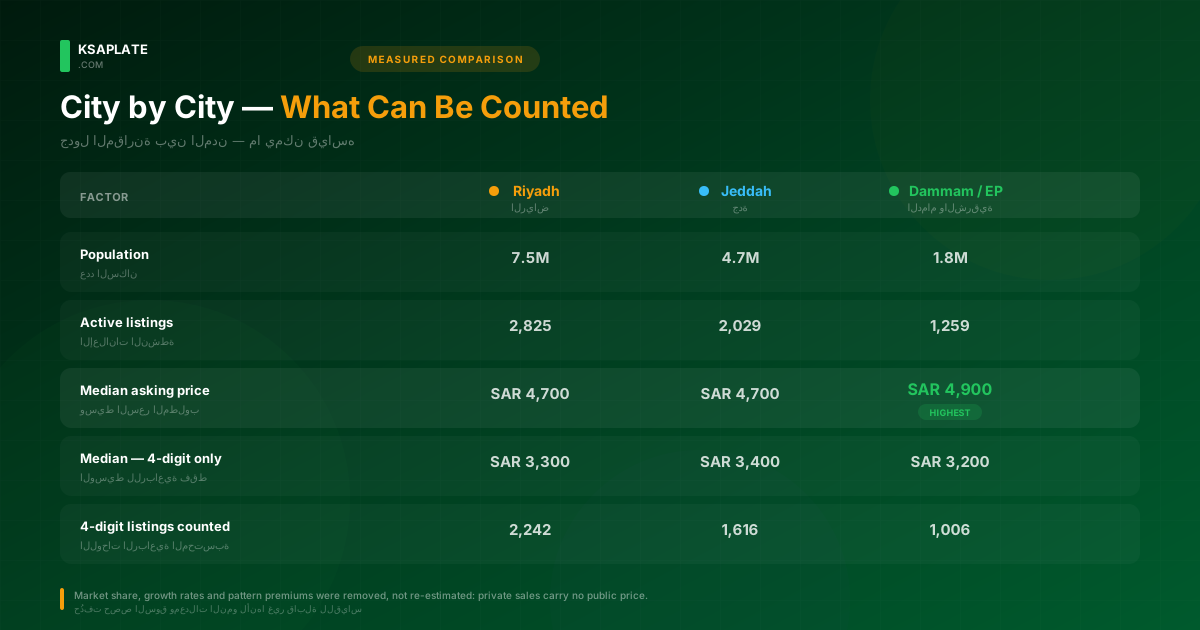
| উপাদান | 🏛 Riyadh | 🌊 Jeddah | ⚡ Dammam / EP |
|---|---|---|---|
| জনসংখ্যা | 7.5M | 4.7M | 1.8M |
| KSAplate-এ সক্রিয় বিজ্ঞাপন | 2,825 | 2,029 | 1,259 |
| মধ্যমা চাওয়া দাম (সব প্লেট) | SAR 4,700 | SAR 4,700 | SAR 4,900 |
| মধ্যমা চাওয়া দাম (কেবল চার-অঙ্ক) | SAR 3,300 | SAR 3,400 | SAR 3,200 |
| গণিত চার-অঙ্কের বিজ্ঞাপন | 2,243 | 1,617 | 1,006 |
উপরের প্রতিটি সংখ্যা 27 আগস্ট 2026-এ এই সাইটের সক্রিয় বিজ্ঞাপন থেকে গণনা করা, জনসংখ্যা ছাড়া যা প্রকাশ্য তথ্য। এই তালিকার আগের সংস্করণে বাজার-অংশ, বার্ষিক প্রবৃদ্ধি, ক্রেতার প্রোফাইল, প্যাটার্ন প্রিমিয়াম গুণক এবং দশের মধ্যে একটি «ইনভেস্টমেন্ট স্কোর»ও ছিল। এর কোনোটিই মাপা যেত না: সৌদি প্লেটের ব্যক্তিগত বিক্রি আবশেরের মাধ্যমে প্রকাশ্য দাম ছাড়াই নিষ্পন্ন হয়, তাই অংশ, প্রবৃদ্ধির হার বা প্রিমিয়াম হিসাব করার কোনো লেনদেন নথি নেই। পুনরায় অনুমান করার বদলে সেগুলো সরিয়ে দেওয়া হয়েছে।
লক্ষ করুন মাপা সংখ্যাগুলো কী দেখায়: তিনটি শহর কয়েকশ রিয়ালের মধ্যে, আর দাম্মামের সামগ্রিক মধ্যমা এদের মধ্যে সর্বোচ্চ — পুরোনো তালিকার দাবির ঠিক উল্টো।
৭. আঞ্চলিক আর্বিট্রেজ: এক শহরে কম দামে ক্রয়, অন্য শহরে বেশি দামে বিক্রয়
আঞ্চলিক আর্বিট্রেজ হল একটি প্লেট একটি কম চাহিদার বাজারে ক্রয় করা এবং একটি বেশি চাহিদার বাজারে বিক্রয় করার প্রক্রিয়া। যেহেতু প্লেটগুলি জাতীয় সম্পদ, এটি সম্পূর্ণ বৈধ এবং জটিল সৌদি প্লেট বিনিয়োগকারীদের মধ্যে ক্রমবর্ধমান সাধারণ।
তিনটি প্রমাণিত আর্বিট্রেজ পথ
- আমাদের বিজ্ঞাপনে চার-অঙ্কের প্লেটের মধ্যমা চাওয়া দাম: রিয়াদ SAR 3,300, জেদ্দা SAR 3,400, দাম্মাম SAR 3,200। কোনো গড়, প্রবৃদ্ধির হার বা শহরভিত্তিক প্রিমিয়াম দেওয়া যায় না: ব্যক্তিগত বিক্রি আবশেরের মাধ্যমে প্রকাশ্য দাম ছাড়াই নিষ্পন্ন হয়।
-
জেদ্দা → রিয়াদ (প্যালিনড্রোম প্লে)
জেদ্দার বিক্রেতাদের প্যালিনড্রোম প্লেট — রিয়াদ বাজারের দামের নিচে তালিকাভুক্ত — রিয়াদ ক্রেতাদের কাছে পুনরায় বিক্রি করা যেতে পারে যারা নিলামে একই প্লেটের ধরন মিস করেছে। SAR 10,000–50,000 পরিসরের 4-ডিজিটের প্যালিনড্রোমের জন্য এটি ভালো কাজ করে। -
ব্যক্তিগত বিক্রয় → আবশের নিলাম (চক্র)
KSAplate.com থেকে প্রেরিত বিক্রেতাদের কাছ থেকে কম দামে প্লেট কিনুন, ১২ মাস ধরে ধরে রাখুন, এবং তাদের আবশের নিলাম পুলে প্রবেশ এগুলির মধ্যক চাহিদা-মূল্য 331টি সক্রিয় তালিকায় SAR 4,300ে কার্যকর।
আঞ্চলিক আর্বিট্রেজের মূল ঝুঁকি হল তরলতা: যদি আপনি ৬–১২ মাসের মধ্যে সঠিক দামে সঠিক রিয়াদ ক্রেতা খুঁজে না পান, তবে ধারণার খরচ এবং সুযোগের খরচ আপনার মার্জিনকে ক্ষয় করে। প্রতিশ্রুতি দেওয়ার আগে সর্বদা আপনার ব্রেক-ইভেন হিসাব করুন।
৮. শহর অনুযায়ী মৌসুমি চাহিদার প্যাটার্ন
প্রতিটি সৌদি শহরের মৌসুমি চাহিদার চক্র পূর্বানুমানযোগ্য। এই চক্রগুলি বোঝার মাধ্যমে ক্রেতারা তাদের ক্রয় সময় নির্ধারণ করতে পারেন সর্বাধিক সাশ্রয়ের জন্য এবং বিক্রেতারা তাদের তালিকাগুলি সর্বাধিক লাভের জন্য সময় নির্ধারণ করতে পারেন।
রিয়াদ মৌসুমি প্যাটার্ন
- শিখর (সেপ্টেম্বর–নভেম্বর): গ্রীষ্মের পর, জাতীয় দিবস (২৩ সেপ্টেম্বর) উন্মাদনা প্রিমিয়াম প্লেটের চাহিদা বাড়ায়।
- ঈদের ২–৩ সপ্তাহ পরের সময় রিয়াদের প্লেটের জন্য বছরের সেরা ক্রয় সময়।
- মাধ্যমিক শিখর (ফেব্রুয়ারি–মার্চ): জাতীয় দিবসের আগে প্রিমিয়াম যানবাহনগুলি প্রথম ত্রৈমাসিকে নতুন প্লেট পায়। সক্রিয় ক্রেতার সময়।
জেদ্দা মৌসুমি প্যাটার্ন
- শিখর (অক্টোবর–জানুয়ারি): শীতল আবহাওয়া, পর্যটন মৌসুম, জেদ্দা সিজন বিনোদন ইভেন্টগুলি বিলাসবহুল ভোগের জন্য প্লেটসহ চালিত করে।
- নিম্নতম (জুলাই–অগাস্ট): জেদ্দার ব্যবসায়িক শ্রেণীর গ্রীষ্মকালীন ছুটির জন্য ব্যাপক প্রস্থান সেরা ক্রয় সময় তৈরি করে। বিক্রেতারা উদ্বুদ্ধ হন।
- মাধ্যমিক: হজ মৌসুম: প্যারাডক্সিক্যালি, হজ তীর্থযাত্রী ব্যবসায়ী অপারেটরদের কাছ থেকে প্লেটের জন্য অস্থায়ী চাহিদা সৃষ্টি করে।
দাম্মাম / পূর্ব প্রদেশ মৌসুমি প্যাটার্ন
- শিখর (চতুর্থ ত্রৈমাসিক: অক্টোবর–ডিসেম্বর): আরামকো এবং প্রধান কোম্পানিগুলিতে বছরের শেষের বোনাসগুলি বিলাসী ব্যয়ের জন্য, প্লেটসহ, উত্সাহিত করে।
- নিম্নতম (অগাস্ট): জেদ্দার মতো — গ্রীষ্মকালীন ভ্রমণ উদ্বুদ্ধ বিক্রেতা তৈরি করে।
- অনন্য ট্রিগার: আরামকো ডিভিডেন্ড মৌসুম: সৌদি আরামকো ত্রৈমাসিক ভিত্তিতে উল্লেখযোগ্য ডিভিডেন্ড বিতরণ করে। প্রতিটি ডিভিডেন্ড ঘোষণার সাথে পূর্ব প্রদেশের প্লেটের চাহিদায় ৪–৬ সপ্তাহের মধ্যে একটি সংক্ষিপ্ত উত্থানের সম্পর্ক থাকে।
৯. ধাপে ধাপে: সৌদি শহরে সঠিক প্লেট কিভাবে কিনবেন
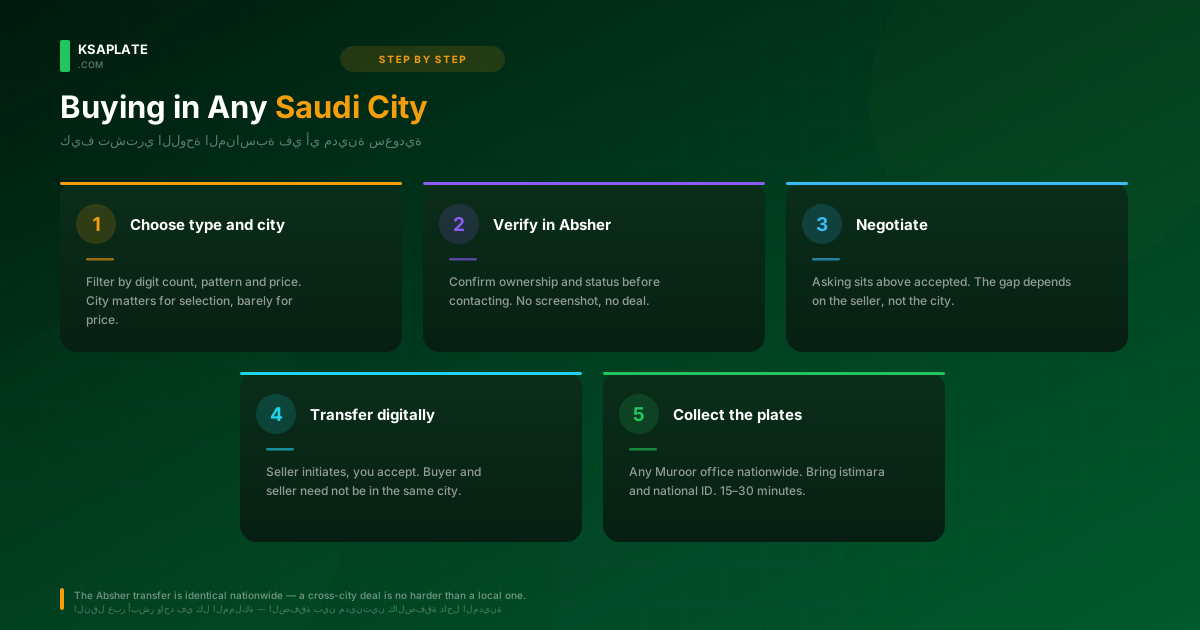
আপনি যে শহরেই লক্ষ্য করুন না কেন, প্লেট অধিগ্রহণের প্রক্রিয়া সৌদি সরকারের Absher প্ল্যাটফর্মের মাধ্যমে মানকীকৃত। এখানে সম্পূর্ণ প্রক্রিয়া:
- আপনার প্লেটের ধরন এবং শহর নির্বাচন করুন। KSAplate.com ব্যবহার করুন বিক্রেতার অবস্থান, ডিজিট সংখ্যা, প্যাটার্নের ধরন এবং মূল্য পরিসীমা অনুসারে ফিল্টার করতে। এই গাইডের আঞ্চলিক প্রেক্ষাপট প্রয়োগ করুন: যদি আপনি একটি পালিনড্রোম চান, জেদ্দার বিক্রেতারা সবচেয়ে বিস্তৃত নির্বাচন অফার করে। যদি আপনাকে একক বা দুই ডিজিটের প্লেট প্রয়োজন হয়, রিয়াদই একমাত্র গভীর বাজার।
- জেদ্দা → রিয়াদ (প্রতিসম প্লেট)
ধারণা হল জেদ্দার বিক্রেতারা প্রতিসম প্লেট রিয়াদের চেয়ে কমে তালিকাভুক্ত করেন। আমাদের তালিকা সেই ব্যবধানও দেখায় না: জেদ্দায় ১৩৬টির মধ্যক SAR 4,750, রিয়াদে SAR 7,500। নির্দিষ্ট কোনো কম দামের প্লেট প্রকৃত সুযোগ; কিন্তু শহরভিত্তিক নিয়মিত ছাড় এমন কিছু নয় যার উপর দাম নির্ধারণ করা যায়। - ব্যক্তিগত ক্রয় → আবশের নিলাম (বর্ণনা অনুযায়ী কাজ করে না)
এখানে আগে এই পথটি এভাবে বর্ণিত ছিল: ব্যক্তিগতভাবে কিনুন, ধরে রাখুন, তারপর প্লেটটিকে আবশেরের নিলাম পুলে যেতে দিন। নিলাম সেভাবে কাজ করে না: আবশের নতুন সরকারি প্লেট ছাড়ে যা কখনও ব্যক্তিগত মালিকানায় ছিল না। আপনার মালিকানাধীন প্লেট সেখানে ঢোকানো যায় না। ব্যক্তিগতভাবে কিনলে ব্যক্তিগতভাবেই বিক্রি করতে হবে। - Absher ডিজিটাল স্থানান্তর সম্পন্ন করুন। বিক্রেতা Absher-এ স্থানান্তর শুরু করেন, আপনি গ্রহণ করেন। উভয় পক্ষের জন্য যাচাইকৃত Absher অ্যাকাউন্ট প্রয়োজন। এই পদক্ষেপটি সম্পূর্ণরূপে ডিজিটাল — আপনি এবং বিক্রেতা একই শহরে থাকতে হবে না। সঠিক পদক্ষেপের জন্য আমাদের সম্পূর্ণ Absher স্থানান্তর গাইড দেখুন।
- যেকোনো মুরুর অফিস থেকে শারীরিক প্লেট সংগ্রহ করুন। একবার প্লেটটি Absher-এ আপনার নামে প্রদর্শিত হলে, দেশের যে কোনও ট্রাফিক বিভাগ (মুরুর) অফিসে যান শারীরিক প্লেট তৈরি করতে। আপনার যানবাহনের নিবন্ধন (استمارة) এবং জাতীয় পরিচয়পত্র নিয়ে আসুন। ১৫–৩০ মিনিট সময় লাগে, খরচ প্রায় SAR ১০০–১৫০।
১০. অঞ্চলভিত্তিক বিনিয়োগ কৌশল
সঠিক অঞ্চলভিত্তিক বিনিয়োগ কৌশল আপনার বাজেট, ঝুঁকি সহিষ্ণুতা এবং সময়ের দৃষ্টিকোণ অনুযায়ী নির্ভর করে।
রিয়াদ: উচ্চ বিশ্বাস, উচ্চ মূলধন
রিয়াদ তাদের জন্য উপযুক্ত যারা SAR 200,000+ বিনিয়োগ করতে চান এবং সর্বাধিক তরলতা ও ক্রেতা খুঁজে না পাওয়ার সর্বনিম্ন ঝুঁকি চান। downside: প্রবেশমূল্য সবচেয়ে বেশি, এবং সেরা সুযোগগুলো প্রায়ই প্রতিষ্ঠানের ক্রেতাদের দ্বারা নেওয়া হয়েছে। SAR 200K–800K পরিসরে প্রিমিয়াম অক্ষর সংমিশ্রণের সাথে ২-অঙ্কের প্লেটগুলোর উপর ফোকাস করুন সেরা ঝুঁকি/ফিরতি প্রফাইলের জন্য।
জেদ্দা: পালিনড্রোম এবং সৌভাগ্য সংখ্যা বিশেষজ্ঞ
জেদ্দা পালিনড্রোম এবং সৌভাগ্য সংখ্যার প্লেটগুলোর জন্য সেরা নির্দিষ্ট সুযোগগুলি প্রদান করে। যদি আপনি দাম্মাম বা পূর্ব প্রদেশের দামে পালিনড্রোম অর্জন করেন এবং জেদ্দার ক্রেতাদের কাছে বিক্রি করেন, তবে আপনি একটি আঞ্চলিক আর্বিট্রেজ প্রিমিয়াম এবং একটি প্যাটার্ন প্রিমিয়াম উভয়ই ধরতে পারবেন। SAR 15,000–80,000 পরিসরে ৩-৪ অঙ্কের পালিনড্রোম লক্ষ্য করুন জেদ্দার জন্য সর্বোত্তম খেলার জন্য।
দাম্মাম / পূর্ব প্রদেশ: বৃদ্ধির বাজারে প্রবেশ
SAR 10,000–100,000 বাজেটের ক্রেতাদের জন্য, পূর্বাঞ্চলে প্যাটার্নযুক্ত চার-সংখ্যার প্লেটের (পুনরাবৃত্ত, ক্রমিক, গোল সংখ্যা) মধ্যক চাহিদা-মূল্য 331টি সক্রিয় তালিকায় SAR 4,300। আমরা নিশ্চিত করতে পারি না যে কোনো অঞ্চল অন্যটির চেয়ে দ্রুত বাড়ছে, এবং প্রত্যাশিত রিটার্নও বলি না: ব্যক্তিগত বিক্রয় আবশেরের মাধ্যমে প্রকাশিত দাম ছাড়াই নিষ্পন্ন হয়, তাই বৃদ্ধির হার বা রিটার্ন গণনার কোনো প্রকাশ্য রেকর্ড নেই।
প্লেট বিনিয়োগের ফিরতি, ROI গণনা এবং ঝুঁকি ফ্যাক্টরের পূর্ণ বিশ্লেষণের জন্য, আমাদের সম্পূর্ণ সৌদি প্লেট বিনিয়োগ গাইড দেখুন।
১১. সাধারণ জিজ্ঞাসা
আমি কি রিয়াদে একটি সৌদি প্লেট কিনে জেদ্দায় ব্যবহার করতে পারি?
হ্যাঁ। সৌদি লাইসেন্স প্লেট সম্পূর্ণ দেশব্যাপী — ব্যবহারের উপর কোন আঞ্চলিক নিষেধাজ্ঞা নেই। রিয়াদে একজন বিক্রেতা থেকে কেনা একটি প্লেট সৌদি আরবের যে কোন স্থানে নিবন্ধিত যেকোনো যানবাহনে কাজ করে, টাবুক থেকে নাজরান পর্যন্ত। প্লেটের নিবন্ধন যানবাহন এবং মালিকের জন্য, শহরের জন্য নয়। এটি আঞ্চলিক আর্বিট্রেজ সম্ভব করে: দাম্মামে কিনুন, রিয়াদে চালান, রাজ্যে যেকোনো একজনকে বিক্রি করুন।
সৌদি প্লেটগুলিতে কি শহরের কোড থাকে?
না। সৌদি বিশেষ লাইসেন্স প্লেট শুধুমাত্র অক্ষরের সংমিশ্রণ (ডান পাশে) এবং সংখ্যা (বাঁ দিকে) দেখায়, কেন্দ্রে সৌদি প্রতীক এবং নিচে রাজ্যের নাম থাকে। সৌদি প্লেটগুলিতে কোন শহরের কোড, অঞ্চল নির্দেশক, বা কোন স্থান-নির্দিষ্ট চিহ্ন নেই। রিয়াদের একটি প্লেট জেদ্দার একটি প্লেটের মতোই দেখায় — কারণ তারা একই জাতীয় নিবন্ধন ব্যবস্থার অংশ।
রিয়াদের প্লেটগুলি জেদ্দার প্লেটগুলির চেয়ে কেন বেশি দামী?
রিয়াদের প্লেটগুলি তিনটি কারণে বেশি দামী: (১) রিয়াদে অন্য কোন সৌদি শহরের তুলনায় বেশি উচ্চ-নেট-মূল্যের ব্যক্তি রয়েছে, যা একটি গভীর ক্রেতার পুল এবং আরও প্রতিযোগিতামূলক বিড তৈরি করে; (২) নেজদ অঞ্চলের উপজাতীয় সংস্কৃতি মর্যাদা প্লেটগুলির উপর উচ্চতর সাংস্কৃতিক মূল্য দেয়; এবং (৩) সরকারের এবং রাজ পরিবারের নিকটবর্তীতা প্লেটগুলির জন্য চাহিদা তৈরি করে যা রাজনৈতিক নিকটতা সংকেত দেয়। একই প্লেট সাধারণত রিয়াদে জেদ্দার তুলনায় ১৫–২৫% বেশি দামে বিক্রি হয় শুধুমাত্র কারণ সেখানে আরও ক্রেতা প্রতিযোগিতা করে।
দাম্মামে একটি প্লেট কিনে রিয়াদে কাউকে বিক্রি করা কি আইনসঙ্গত?
সম্পূর্ণরূপে আইনসঙ্গত। আবশের স্থানান্তর ব্যবস্থা ভৌগলিকভাবে প্লেট স্থানান্তর সীমাবদ্ধ করে না। উভয় পক্ষের শুধুমাত্র যাচাইকৃত আবশের অ্যাকাউন্ট থাকতে হবে। বিক্রেতা সৌদি আরবের যেকোনো স্থানে হতে পারে, এবং ক্রেতাও হতে পারে। প্লেটের শারীরিক স্থানান্তর (মুরুর অফিস) ক্রেতা যে শহরটি চায় সেখানে ঘটতে পারে। আঞ্চলিক প্লেট বাণিজ্য শুধুমাত্র আইনসঙ্গত নয়, বরং সরকারের ডিজিটাল আবশের প্ল্যাটফর্ম দ্বারা সক্রিয়ভাবে সহায়তা করা হয়।
কোন শহরে সবচেয়ে বেশি আবশের প্লেট নিলাম হয়?
আবশের প্লেট নিলাম জাতীয় — তারা সকল যোগ্য বিডারকে একসাথে প্লেট মুক্তি দেয়, তাদের শহর নির্বিশেষে। যে কোন সৌদি নাগরিক বা বাসিন্দা যার একটি যাচাইকৃত আবশের অ্যাকাউন্ট রয়েছে, সে যেকোনো শহর থেকে বিড করতে পারে। তবে, প্রিমিয়াম প্লেটগুলির জন্য নিলামের প্রতিযোগিতা রিয়াদে আরও তীব্র কারণ সেখানে আরও প্রিমিয়াম ক্রেতা রয়েছে।
কোন প্লেটগুলি শুধুমাত্র নির্দিষ্ট শহরে ভাল বিক্রি হয়?
হ্যাঁ — উপজাতীয় অক্ষরের সংমিশ্রণ। কিছু আরবি অক্ষরের সংমিশ্রণ প্রধান সৌদি উপজাতির নাম বা প্রাথমিকের সাথে সম্পর্কিত যা নির্দিষ্ট অঞ্চলে কেন্দ্রীভূত। একটি অক্ষরের সংমিশ্রণ যা একটি প্রধান কাহতানি উপজাতির নামকে প্রতিনিধিত্ব করে, কাহতানি ক্রেতাদের মধ্যে (দক্ষিণ অঞ্চলে এবং জেদ্দায় কেন্দ্রীভূত) একটি প্রিমিয়াম দামে বিক্রি হয়। শাম্মার উপজাতির প্রাথমিক সংমিশ্রণ রিয়াদ এবং হাইলসে প্রিমিয়াম দাবি করে। এই মাইক্রো-মার্কেট প্রিমিয়ামগুলি অভিজ্ঞ দালাল এবং উপজাতীয় সম্প্রদায়ের সদস্যদের কাছে পরিচিত।
আমার প্লেট দ্রুত বিক্রি করার জন্য সেরা শহর কোনটি?
রিয়াদ প্লেটগুলির জন্য সবচেয়ে দ্রুত তরলতা প্রদান করে যা SAR 100,000 এর উপরে মূল্যবান কারণ এখানে ক্রেতার পুল সবচেয়ে গভীর। SAR 5,000–50,000 পরিসরের প্লেটগুলির জন্য, KSAplate.com এর জাতীয় মার্কেটপ্লেস যেকোনো নির্দিষ্ট শহরকে লক্ষ্য করার চেয়ে বেশি কার্যকর — আপনি ১৩টি অঞ্চলের ক্রেতাদের কাছে একসাথে প্রবেশযোগ্য। KSAplate.com এ ভাল ছবির সাথে এবং একটি ন্যায্য বাজার মূল্যে তালিকাভুক্ত করুন, এবং আপনি সাধারণত ৭২ ঘণ্টার মধ্যে আপনার শহর নির্বিশেষে গুরুতর অনুসন্ধান পাবেন।
ভিশন ২০৩০ কি প্রতিটি শহরে প্লেটের দাম আলাদাভাবে প্রভাবিত করে?
হ্যাঁ। ভিশন ২০৩০ রাজ্যের মধ্যে সম্পদ অসমভাবে তৈরি করছে। রিয়াদ সরকারী ব্যয়ের এবং নতুন আর্থিক জেলার সুবিধা পাচ্ছে। জেদ্দা পর্যটন বিনিয়োগ এবং রেড সি প্রকল্পের সুবিধা পাচ্ছে। পূর্বাঞ্চল আরামকো আইপিও-সংক্রান্ত সম্পদ এবং শক্তি পরিবর্তন বিনিয়োগ থেকে উপকৃত হচ্ছে। NEOM/টাবুক মেগা প্রকল্প নির্মাণ বুম থেকে উপকৃত হচ্ছে। এগুলোর প্রতিটি বিভিন্ন সময়ে আঞ্চলিক চাহিদার বৃদ্ধি সৃষ্টি করে। একটি প্লেট বিনিয়োগকারী হিসেবে, শহর অনুযায়ী ভিশন ২০৩০ প্রকল্পের মাইলফলক ট্র্যাক করা আপনাকে আঞ্চলিক চাহিদার বৃদ্ধি সম্পর্কে পূর্বাভাস দেয়।
১২. উপসংহার ও পরবর্তী পদক্ষেপ
সৌদি আরবের বিশেষ লাইসেন্স প্লেট বাজার একটি একক সম্পদ শ্রেণী যা তিনটি ভিন্ন আঞ্চলিক ব্যক্তিত্ব নিয়ে গঠিত। রিয়াদ মূল্য এবং মর্যাদায় আধিপত্য করে। জেদ্দা বিশ্বজনীন নান্দনিকতা এবং পালিনড্রোম প্রিমিয়ামে নেতৃত্ব দেয়। পূর্ব প্রদেশ ২০২৬ সালে সেরা ঝুঁকি-সমন্বিত প্রবেশের সুযোগ সহ দ্রুততম বর্ধনশীল বাজার।
ক্রেতাদের জন্য, মূল বিষয়টি সহজ: আপনার অনুসন্ধানকে আপনার শহরের মধ্যে সীমাবদ্ধ করবেন না। আপনার প্রয়োজন এবং বাজেটের জন্য সেরা প্লেটটি হয়তো দাম্মামে একটি উৎসাহী বিক্রেতার দ্বারা তালিকাবদ্ধ রয়েছে, যা রিয়াদের তুলনায় ২০% কম দামে পাওয়া যাবে। আবশার স্থানান্তর ব্যবস্থা শহরের মধ্যে লেনদেনকে একই শহরের মতো সহজ করে তোলে।
বিনিয়োগকারীদের জন্য, আঞ্চলিক আর্বিট্রেজ — কম চাহিদার বাজারে কেনা এবং উচ্চ চাহিদার বাজারে বিক্রি করা — আজ সৌদি প্লেট বাজারে উপলব্ধ সবচেয়ে স্পষ্ট আলফা। পূর্ব প্রদেশ বিশেষ করে ২-৩ বছরের জন্য আকর্ষণীয় প্রবেশমূল্য অফার করে, এর আগে বাজার পুরোপুরি রিয়াদ এবং জেদ্দার স্তরে পরিণত হয়।
এক জায়গায় তিনটি বাজারের প্লেট ব্রাউজ করতে প্রস্তুত? KSAplate.com এ সমস্ত প্লেট ব্রাউজ করুন →
কোন নির্দিষ্ট প্লেটকে মূল্যবান করে তোলে তা বুঝতে চান, শহর নির্বিশেষে? আমাদের ফ্রি প্লেট মূল্য ক্যালকুলেটর ব্যবহার করুন →