


آخر تحديث: 31 مايو 2026 · 12 دقيقة قراءة
- لوحة ترخيص سعودية متسلسلة هي أي لوحة تتسلسل أرقامها بشكل غير متقطع — تصاعديًا مثل 1234 أو تنازليًا مثل 4321.
- تعتبر اللوحات المتسلسلة نمطًا متميزًا معترفًا به بجانب اللوحات المرآة واللوحات المتكررة.
- تتحدد القيمة بناءً على ثلاثة عوامل: عدد الأرقام (الأقل نادر)، ما إذا كانت السلسلة مثالية، وتركيبة الحروف.
- تتراوح الأسعار من حوالي 800 ريال سعودي للوحة رباعية الأرقام شبه المتسلسلة إلى أكثر من 600,000 ريال سعودي لسلسلة مكونة من رقمين مع حروف مميزة.
- تصفح كل القوائم الحية على KSAplate.com → اللوحات المتسلسلة — لا حاجة لحساب للبحث.
اللوحة المتسلسلة السعودية هي تلك التي تزداد أو تنقص أرقامها بواحد في كل خطوة — 1234، 2345، أو 4321. نظرًا لأن السلاسل الحقيقية نادرة رياضيًا، فإنها تُباع بسعر مرتفع. عادةً ما تكلف اللوحة الرباعية المتصاعدة من 3,000 إلى 25,000 ريال سعودي؛ بينما تصل السلاسل النادرة المكونة من رقمين وثلاثة أرقام إلى ستة أرقام.
لوحة ترخيص سعودية متسلسلة هي تسجيل مركبة خاصة تتكون جزئها الرقمي من سلسلة غير متقطعة من الأرقام المتتالية. الشكلان الكلاسيكيان هما تصاعدي (كل رقم أعلى من السابق، مثل 1234) وتنازلي (كل رقم أقل، مثل 4321). تقع اللوحات المتسلسلة ضمن العائلة الأوسع من أنماط أرقام اللوحات السعودية وتُقدَّر من قبل الجامعين لنفس السبب الذي تُقدَّر به اللوحات المرآة والمتكررة: الندرة نادرة، والندرة تحدد السعر.
ما الذي يُعتبر لوحة متسلسلة
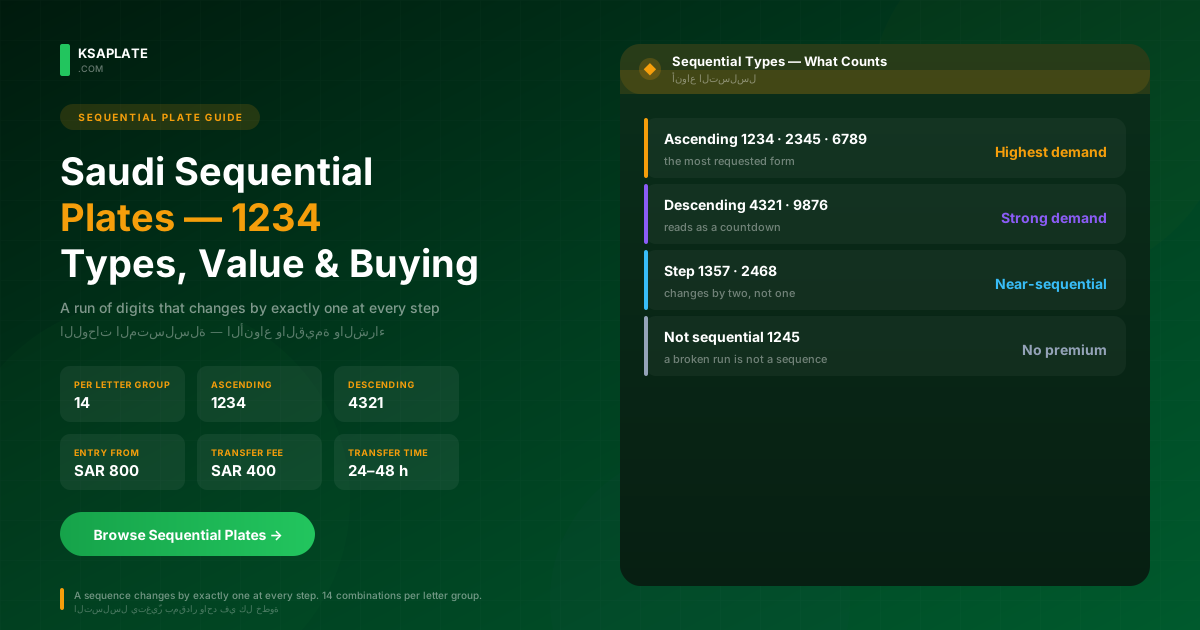
السلسلة هي مجموعة من الأرقام التي تتغير بواحد بالضبط في كل خطوة. 1-2-3-4 هي متسلسلة؛ 1-2-4-5 ليست كذلك. القاعدة تنطبق على كتلة الأرقام على اللوحة، التي تحتوي في السعودية على رقم واحد إلى أربعة أرقام. الحروف — ثلاثة أحرف عربية مع ترجمات لاتينية — تقع بشكل منفصل ولا تحتاج إلى أن تكون متسلسلة.
تُصدر لوحات الترخيص السعودية من قبل الإدارة العامة للمرور (مرور) تحت وزارة الداخلية، وتتم جميع التحويلات عبر منصة أبشر. تعتبر اللوحة "متسلسلة" بناءً على أرقامها فقط، بغض النظر عن مدينة التسجيل — 1234 من الرياض و1234 من جدة كلاهما متسلسل، على الرغم من أن الطلب الإقليمي يمكن أن يغير السعر.
التسلسلات التصاعدية والتنازلية والخطوات
هناك أربع فئات عملية يبحث عنها المشترون:
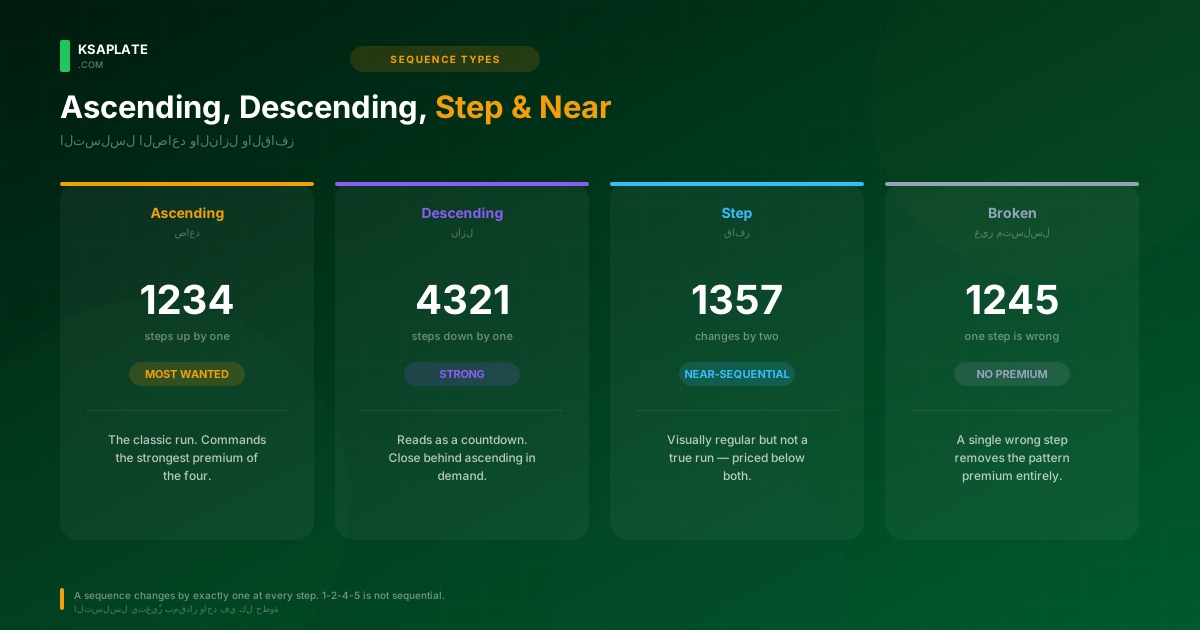
- تصاعدي: 1234، 2345، 6789. الشكل الأكثر طلبًا — يقرأ بشكل طبيعي وهو الأسهل للتذكر.
- تنازلي: 4321، 9876، 5432. نادرة رياضيًا بنفس القدر، مع طلب أقل قليلاً من التصاعدية.
- خطوات / تسلسلات تخطي: 2468 (زوجي) أو 1357 (فردي). نمط متخصص ولكنه حقيقي يجذب الجامعين.
- شبه متسلسلة: 1235 أو 1243 — رقم واحد خارج الترتيب. يتم تداولها بزيادة صغيرة عن اللوحات القياسية ولكنها ليست تسلسلات حقيقية ويجب ألا يتم تسعيرها مثل واحدة.
لماذا تعتبر اللوحات المتسلسلة ذات قيمة
الندرة هي المحرك. بالنسبة لأي مجموعة من أربعة أرقام، هناك 10,000 مجموعة رقمية (0000–9999)، ولكن فقط عدد قليل يشكل سلسلة تصاعدية أو تنازلية مثالية. هذا يجعل التسلسل الحقيقي تقريبًا واحدًا من كل ألف ضمن مجموعته — على نفس مستوى الندرة مثل اللوحة المرآة.
ثلاث قوى تضاعف تلك الندرة إلى سعر: القابلية للتذكر، المكانة، والسيولة في إعادة البيع. الرقم المتسلسل يمكن قراءته على الفور، ويشير إلى شراء متعمد بدلاً من إصدار عشوائي، وسهل إعادة البيع لأن الطلب واسع وثابت.
السلسلة هي أندر شيء على لوحة يمكن للجميع قراءته في لمحة — تلك التركيبة من الندرة والوضوح هي بالضبط ما يدفع المشترين ثمنه.
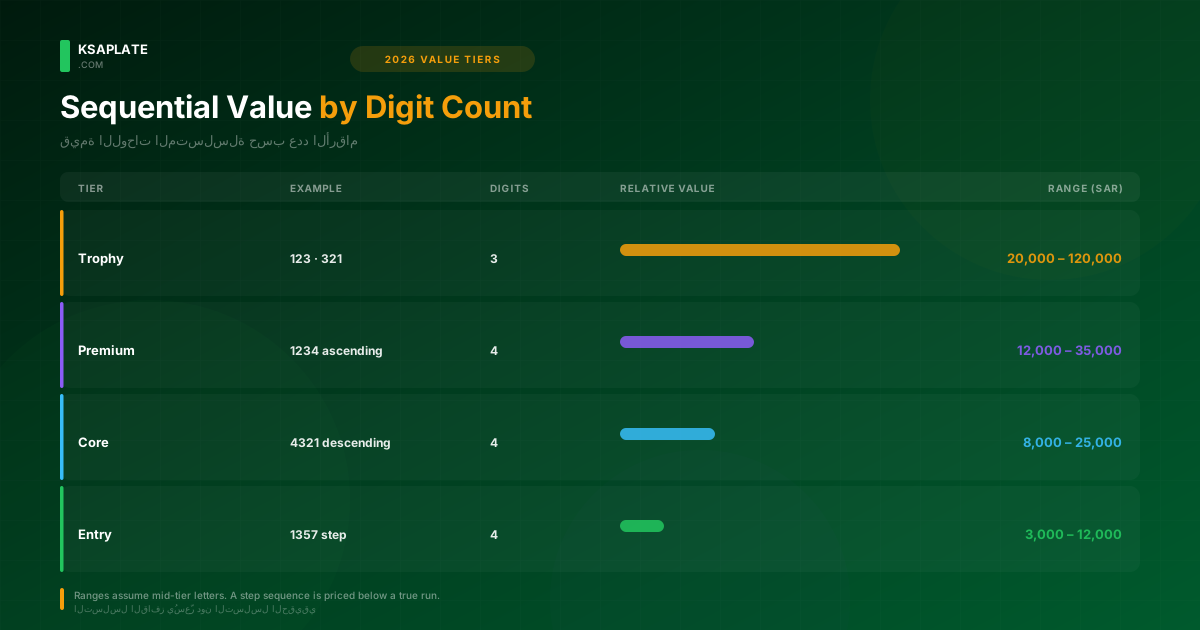
فئات الأسعار لعام 2026 حسب عدد الأرقام
عدد الأرقام هو أكبر رافعة سعرية واحدة: كلما قل عدد الأرقام، كانت السلسلة نادرة أكثر وارتفعت القيمة. الأرقام أدناه تعكس بيانات السوق الحالية من KSAplate.com لتسلسلات حقيقية مع حروف قياسية.
المتسلسلة مقابل المرآة مقابل المتكررة
تعتبر اللوحات المتسلسلة واحدة من ثلاثة أنماط رئيسية. إليك كيف تقارن من حيث الندرة، القابلية للقراءة والسعر النموذجي للوحة رباعية الأرقام مع حروف قياسية.
| النمط | مثال | الندرة (4 أرقام) | السعر النموذجي للوحة رباعية الأرقام | الأفضل لـ |
|---|---|---|---|---|
| متسلسلة | 1234 / 4321 | ~1 من 1,000 | 3,000–25,000 ريال سعودي | مكانة يومية، سهولة إعادة البيع |
| مرآة | 1221 / 3443 | ~1 من 100 | 800–8,000 ريال سعودي | محبي التناظر، ميزانية متميزة |
| متكررة | 7777 / 999 | ~1 من 10,000 | 20,000–500,000+ ريال سعودي | أقصى مكانة، استثمار |
| شبه متسلسلة | 1235 / 1243 | ~1 من 80 | 800–4,000 ريال سعودي | لوحة متميزة للمبتدئين |
تعتبر اللوحات المتكررة هي الأندر والأغلى، بينما تقع اللوحات المتسلسلة في منتصف النطاق الأعلى، وتقدم المرآة الطريق الأكثر تكلفة للحصول على نمط معترف به. لقراءة المشهد الكامل للنمط، اقرأ دليل أنماط أرقام اللوحات السعودية.
كيف تؤثر الحروف على السعر
تضاعف مجموعة الحروف الثلاثية القيمة الأساسية للرقم. لوحة 1234 مع حروف عادية تساوي أقل بكثير من لوحة 1234 تحمل حروفًا ثلاثية متطابقة (أ أ أ) أو أحرف معروفة. عادةً ما تضيف الحروف الثلاثية المتطابقة مضاعفًا من 3×–8×، وتحمل الحروف العربية من بداية الأبجدية (أ، ب، ج) مزيدًا من القيمة. لتقدير أي تركيبة معينة على الفور، قم بإدخال الرقم والحروف في حاسبة قيمة اللوحة.
يمكن أن تشترك لوحتان في الرقم 1234 وتختلفان في السعر بعشر مرات — الحروف تحدد أيهما لوحة قيادة يومية وأيها قطعة لجمعها.
كيفية شراء لوحة متسلسلة
تتم عملية الشراء بأمان من خلال خمس خطوات تركز على التحقق من الملكية والتحويل عبر القنوات الرسمية.
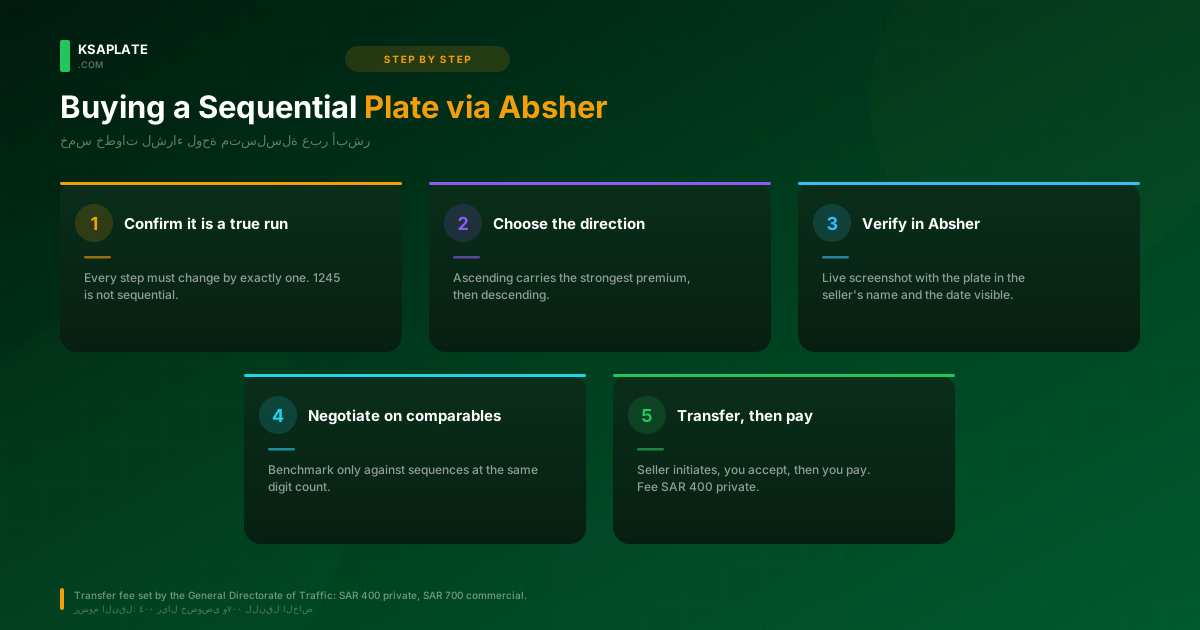
- ابحث عن قوائم موثوقة. قم بتصفية حسب النمط، عدد الأرقام والميزانية على صفحة اللوحات المتسلسلة.
- تحقق من القيمة الحقيقية. أدخل الرقم والحروف الدقيقة في حاسبة قيمة اللوحة قبل تقديم عرض.
- تحقق من الملكية. اطلب من البائع لقطة شاشة من الاستمارة (تسجيل المركبة) تظهر رقم اللوحة واسمهم.
- اتفق على السعر وشروط الدفع. لا تقم بتحويل المبلغ الكامل قبل بدء عملية أبشر؛ استخدم وديعة أو خدمة ضمان.
- أكمل التحويل عبر أبشر. يؤكد الطرفان نقل الملكية عبر الإنترنت من خلال المرور. الرسوم الحكومية القياسية للتحويل هي 400 ريال سعودي للمركبات الخاصة.
كيفية بيع لوحة متسلسلة
تستغرق القائمة أقل من دقيقتين. أدخل حروف لوحتك، الرقم والسعر المطلوب، أضف رقم واتساب، وانشر. ستظهر لوحتك على الفور عبر السوق وعلى صفحة فئة اللوحات المتسلسلة، مما يصل إلى المشترين الذين يبحثون تحديدًا عن أرقام مرتبة. قم بالتسعير مع الأدلة: تحقق من القوائم الحية المماثلة وتقييم الحاسبة حتى تبيع رقمك بسرعة دون ترك أموال على الطاولة. راجع دليل البيع الكامل للحصول على استراتيجيات التسعير والتفاوض.
كيفية التحقق من تسلسل حقيقي
قبل دفع علاوة تسلسلية، تأكد من أن اللوحة تستوفي المعايير. اقرأ الأرقام من اليسار إلى اليمين وتحقق من أن كل رقم يتغير بواحد بالضبط. 3456 تتصاعد بشكل صحيح؛ 3465 لا تفعل. احذر من البائعين الذين يسوقون أرقامًا شبه متسلسلة (رقم واحد خارج الترتيب) بأسعار كاملة للتسلسل — هذه هي أكثر حالات الدفع الزائد شيوعًا في الفئة. عند الشك، تشير الحاسبة إلى ما إذا كان الرقم تسلسلًا حقيقيًا في تفصيله.
أخطاء المشترين الشائعة
- الدفع الزائد عن التسلسلات شبه المتسلسلة. 1243 ليست 1234. تأكد من أن السلسلة غير متقطعة.
- تجاهل الحروف. يمكن أن تؤثر مجموعة الحروف على القيمة من 3×–8×؛ لا تحكم على لوحة بناءً على رقمها فقط.
- الدفع قبل التحويل. يجب ألا تخرج الأموال من حسابك قبل بدء تحويل أبشر.
- تجاوز إثبات الملكية. تحقق دائمًا من الاستمارة قبل الالتزام.
- مقارنة عبر المدن بشكل أعمى. يختلف الطلب الإقليمي؛ قد تكون لوحة الرياض أكثر قيمة من رقم مماثل في مكان آخر.
أسئلة شائعة
ما هي لوحة الترخيص المتسلسلة في السعودية؟
كم تكلفة لوحة 1234 في السعودية؟
هل اللوحات التصاعدية أو التنازلية أكثر قيمة؟
هل لوحة شبه متسلسلة مثل 1243 تستحق نفس القيمة؟
لماذا تعتبر اللوحات المتسلسلة أغلى من الأرقام العشوائية؟
كيف يمكنني نقل لوحة متسلسلة إلى اسمي؟
هل يمكن للمغتربين شراء لوحات متسلسلة في السعودية؟
أين يمكنني شراء أو بيع لوحة متسلسلة عبر الإنترنت؟
ابحث عن لوحتك المتسلسلة
تصفح كل الأرقام المتسلسلة التصاعدية والتنازلية، تحقق من قيمتها الحقيقية، وتواصل مباشرة مع البائعين.
تصفح اللوحات المتسلسلة قيم لوحتيالخاتمة
تُكافئ اللوحات المتسلسلة النظام بالندرة. تعتبر السلسلة المثالية التصاعدية أو التنازلية واحدة من أكثر الأنماط المميزة شهرة على الطرق السعودية، ويتبع التسعير منطقًا واضحًا: كلما قل عدد الأرقام، كانت السلسلة غير متقطعة، وكلما كانت الحروف أقوى، ارتفعت القيمة. تحقق من التسلسل، قيم الحروف، ودائمًا قم بالنقل عبر أبشر — ثم تصبح لوحة تُعد ببساطة في ترتيب أصول نادرة حقًا.